
Redistributing retrievals cuts second OR use by >60%, reducing ~$800K in annual operating costs

Daily retrieval schedules—not patient demand—are increasingly dictating how IVF clinics operate. Across a 30-day cycle, many clinics experience sharp swings in retrieval volume, with peak days overwhelming operating rooms and labs while other days remain underutilized. On March 16, 2026, Alife Health released simulation data alongside its scheduling platform, Schedule Predict, aimed at redistributing retrieval timing that could stabilize these fluctuations without affecting outcomes.
The issue originates in how trigger decisions are made. Retrieval timing is determined at the patient level, but without visibility into how those decisions aggregate across the schedule. This creates a system where clinically appropriate timing produces operational volatility.
Your IVF clinic isn’t over capacity—it’s overbooked on the wrong days.
The $800K Scheduling Mistake Most IVF Clinics Don’t Know They’re Making
Alife Health’s Schedule Predict changes that with real-time, AI-powered scheduling visibility.
• Reduce over-capacity days by up to 65%
• Forecast lab workload up to a week in advance
• Balance retrieval volume across days
• Increase capacity—without adding staff or space
Stop reacting. Start optimizing.
See Schedule Predict in Action — explore how predictive scheduling helps you stabilize operations, reduce costs, and unlock hidden capacity.
29 Monthly OR Overflows Drive ~$10K Daily Cost Decisions
In large IVF clinics, retrieval volumes can exceed daily operating room capacity multiple times per month. One modeled scenario showed a clinic opening a second operating room 29 times in a single month. Each additional operating day carries an estimated cost of approximately $10,000, including staffing, facility use, and supplies.
At the same time, other days within the same cycle remain underbooked. Clinics respond by extending hours or reallocating staff, but these adjustments do not resolve the underlying imbalance between peak demand and available capacity.
The variability extends into the lab. Retrieval spikes concentrate fertilization and biopsy workloads approximately five days later, creating downstream congestion that is disconnected from the original scheduling decision. Lab teams experience clustered workloads rather than a consistent daily flow.
Scheduling Visibility Reframes Trigger Timing as an Operational Decision
New scheduling approaches are incorporating predicted retrieval volumes into clinical workflows, allowing clinicians to evaluate how trigger decisions affect total capacity across upcoming days. The platform integrates real-time and projected schedules into a single view of operating room and lab demand.
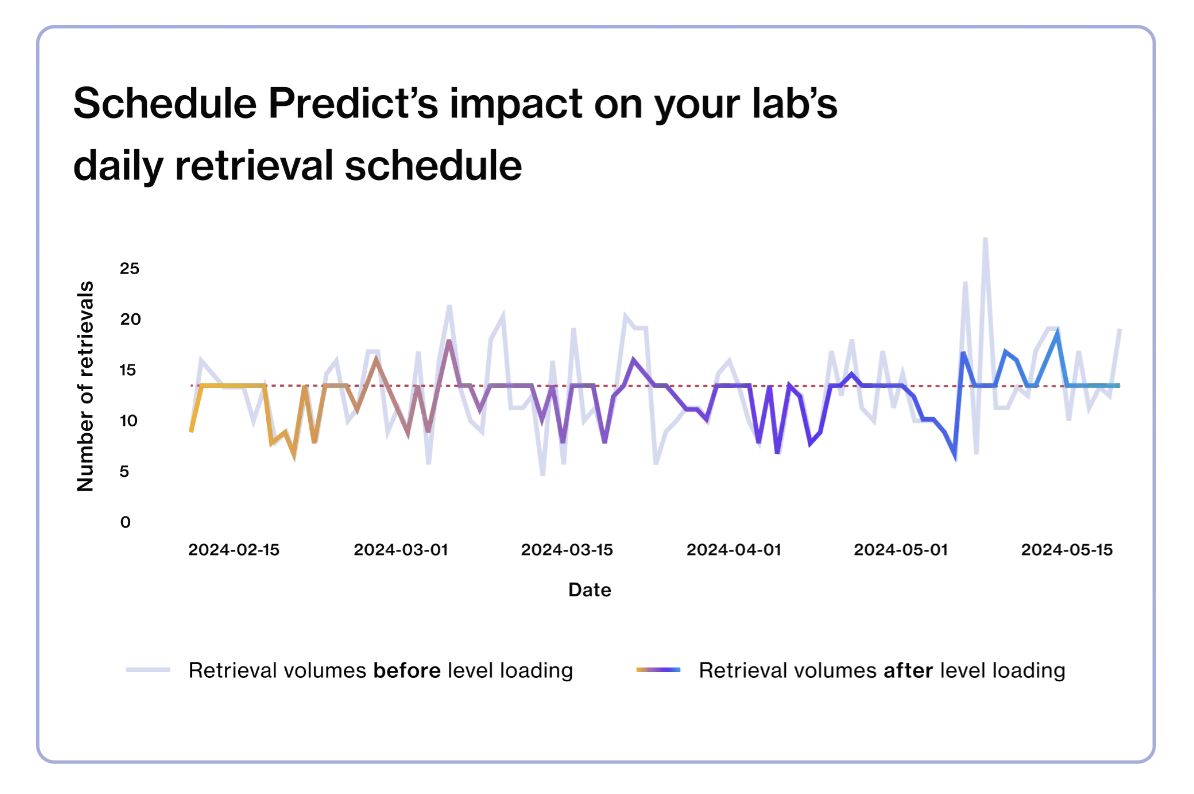
With this visibility, retrieval timing can be redistributed across available days while maintaining clinical parameters. Physicians retain control over patient care decisions, but with added context around capacity constraints.
“AI has emerged as a promising tool for addressing the inefficiencies of IVF scheduling,” says Dr. Mark Homer PhD, MMSc, SVP of AI at Alife Health. “By analyzing patient data and clinic workflows, AI can offer predictive analytics and actionable insights that help clinics distribute retrievals more evenly across their schedules and can have immense benefits for the lab downstream.”
This paradigm shifts retrieval timing from an isolated clinical endpoint to a coordinated operational variable. Instead of absorbing variability through staffing or infrastructure expansion, clinics can align scheduling decisions with fixed resources.
>60% Reduction in OR Expansion Signals Structural Efficiency Gains
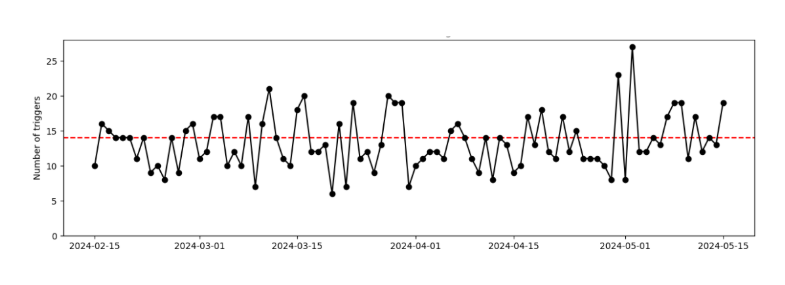
Real Clinic Data (Anonymized), 2024
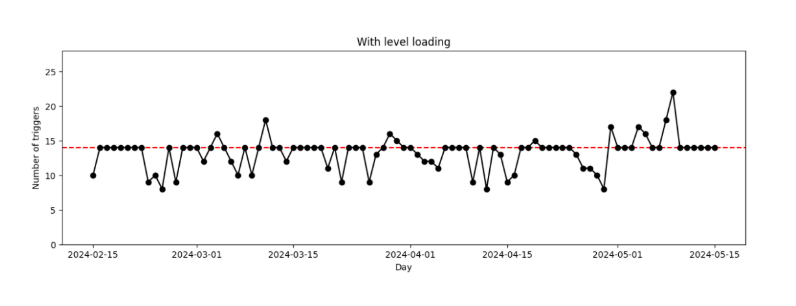
Schedule Predict Expected Benefit
Simulation data using anonymized 2024 schedules showed that redistributing retrieval timing reduced second operating room usage from 29 instances per month to 10, a decline of more than 60%. At approximately $10,000 per additional operating day, this equates to roughly $800,000 in annual savings.
The modeled schedules maintained the number of mature oocytes retrieved, indicating that redistributing volume did not affect clinical outcomes. Data on page 2 shows a shift from highly variable daily retrieval counts to a more consistent distribution across the same period.
For operators, the implication is structural. Clinics can increase throughput and reduce staffing volatility without adding operating rooms or extending hours. As cycle volumes continue to grow, scheduling coordination—not physical capacity—becomes the primary constraint on scale.
Your IVF clinic isn’t over capacity—it’s overbooked on the wrong days.
The $800K Scheduling Mistake Most IVF Clinics Don’t Know They’re Making
Alife Health’s Schedule Predict changes that with real-time, AI-powered scheduling visibility.
• Reduce over-capacity days by up to 65%
• Forecast lab workload up to a week in advance
• Balance retrieval volume across days
• Increase capacity—without adding staff or space
Stop reacting. Start optimizing.
See Schedule Predict in Action — explore how predictive scheduling helps you stabilize operations, reduce costs, and unlock hidden capacity.