
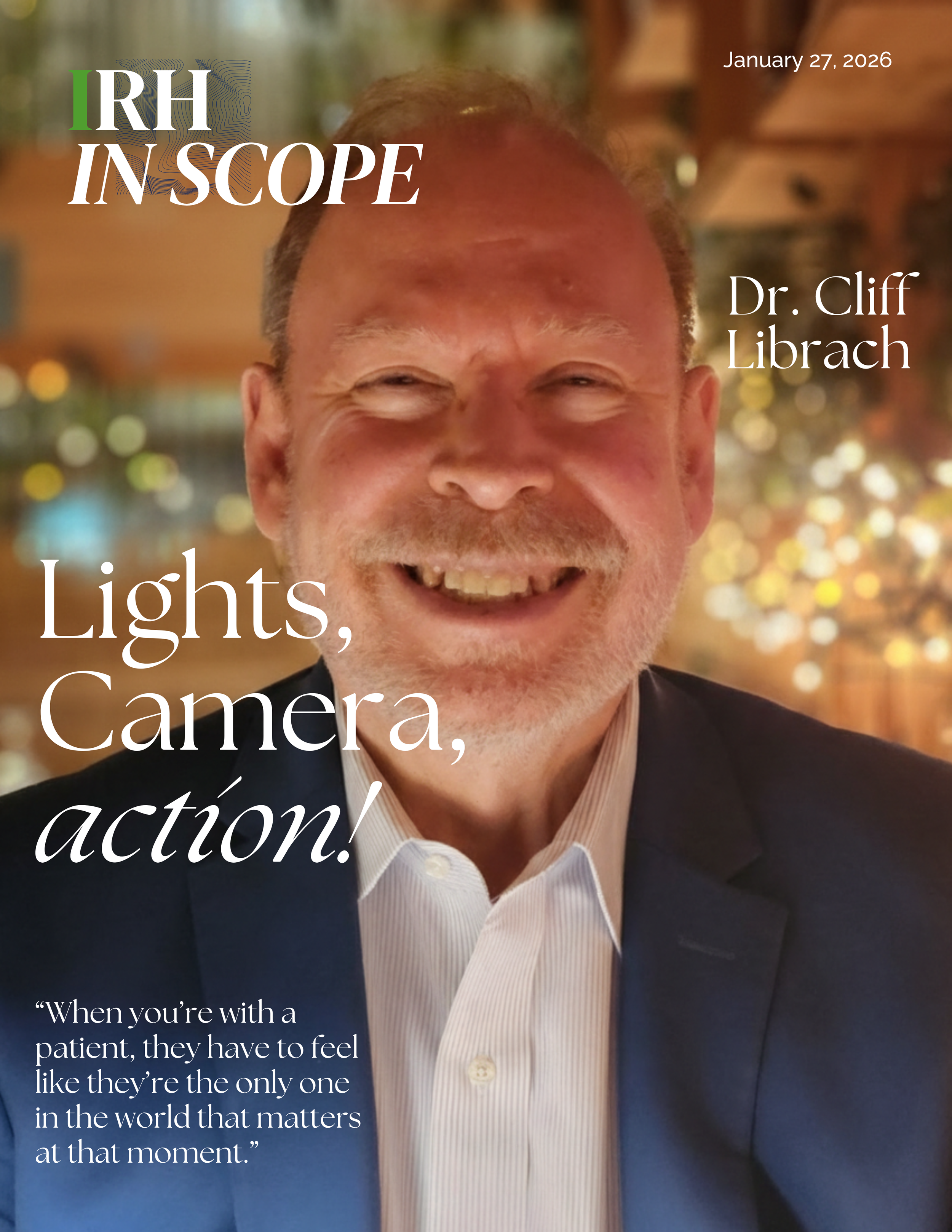

When Dr. Clifford Librach reflects on his early days in reproductive medicine, he doesn't start with an award or a headline. He begins with a tiny office, a small team, and a feeling.
"It was basically me, a nurse, a secretary, and one guy doing sperm and insemination," he says, smiling at the memory. "That was our whole program in 1991."
From that humble beginning, CReATe Fertility Centre grew into one of the most respected fertility programs in Canada and across the globe. Today, the clinic employs more than 250 people, operates multiple satellite locations, leads what they say is one of the largest reproductive research programs in North America, and consistently trains the next generation of clinicians and scientists.
The scale is impressive. But the philosophy behind it is what has shaped Canadian fertility care for three decades.
“That Tells You Everything”
After earning his medical degree and completing an OB/GYN residency at the University of Toronto, Dr. Librach spent three formative years at the University of California, San Francisco (UCSF), where he completed his fellowship in Reproductive Endocrinology and Infertility. Offers to stay in the U.S. came quickly, but he felt pulled home.
"I wanted to be where my family was," he says. "Canada was home. That's where I needed to build something."
He began by establishing an REI program in a Toronto hospital that didn't previously have one. Within a few years, he founded his own IVF clinic, CReATe (short for Canadian Reproductive Assistive Technology). The name carried both a mission and a promise.
What followed was a steadily expanding ecosystem of clinical care, laboratory innovation, research initiatives, educational programs, and third-party reproduction services.
"We went from one small office to a clinic with 250 people and one of the largest fertility research programs in Canada," he says. "When I look back on that journey, I'm incredibly proud of what we've built."
CReATe became known not only for scientific leadership but also for staff longevity. One of his earliest team members, a nurse whose husband worked in andrology, stayed with him for 30 years before retiring.
"That tells you everything," Dr. Librach says. "We treat our staff well. And when people feel valued, they stay."
“When you’re with a patient, they have to feel like they’re the only one in the world that matters at that moment.”
Instantly Expand Your Egg Donor Network—Without Expanding Your Overhead
What if your clinic could offer more donor choices, more confidence, and more patients saying yes - starting now?
Partnering with MyEggBank plugs your clinic into a trusted national ecosystem built to grow opportunity, not complexity.
As a MyEggBank Partner, You Can:
Instantly access a broader, diverse egg donor pool
Give intended parents more paths forward—faster
Offer donors a safe, ethical, proven donation experience
Elevate your clinic’s reputation through national alignment
Take Action Today - Once approved, your clinic gains immediate access to expanded donor options and national partnership support.
The Science: HLA-G, Implantation, and Genetic Frontiers
While some clinic founders might focus almost exclusively on operations, Dr. Librach has always identified as a scientist. His contributions are wide-ranging: more than 150 peer-reviewed publications, over 750 abstracts, and pioneering work that continues to influence the field today.
One of his earliest breakthroughs came during his fellowship: identifying the role of HLA-G, a molecule produced by the placenta and early embryos that helps the fetus survive in the maternal environment.
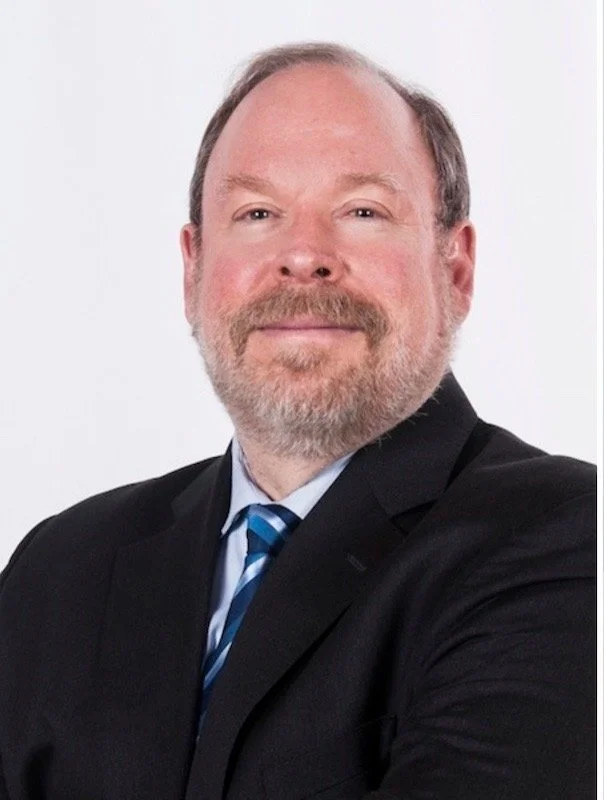
"The baby is genetically different from the mother," he explains. "Immunologically, it shouldn't be tolerated. But HLA-G allows it to survive. That discovery helped us understand implantation and preeclampsia at a much deeper level."
His research expanded from there into:
Endometrial receptivity and implantation biology
Preeclampsia mechanisms
Preimplantation genetic testing (PGT) development
Embryo culture improvement
Andrology and sperm diagnostics
Stem cell biology, including a patented multipotent progenitor cell derived from umbilical cord perivascular tissue
CReATe's research program is now one of the largest attached to a fertility clinic worldwide, spanning basic science, clinical outcomes, psychosocial research, and nursing studies.
The Shift to Safer IVF: Making SET the Standard
One of the most transformative changes in Canadian fertility care was the national shift toward single embryo transfer (SET), a change Dr. Librach helped champion.
"When I started, the multiple birth rate in Canadian IVF was about 30%," he says. "Now it's down to 2–3%, and most of those are embryos that split, which you can't control."
This shift required:
Better embryo culture
Improved embryo selection
Genetic testing to ensure normality
National guideline development
Education of clinics, physicians, and patients
CReATe now performs 99% single embryo transfers, raising pregnancy success and dramatically reducing risks for patients and babies.
“We can’t think of an egg donor as someone who ‘just gives eggs,’ or a surrogate as someone whose uterus we’re ‘using’—these are whole people with rich lives.”
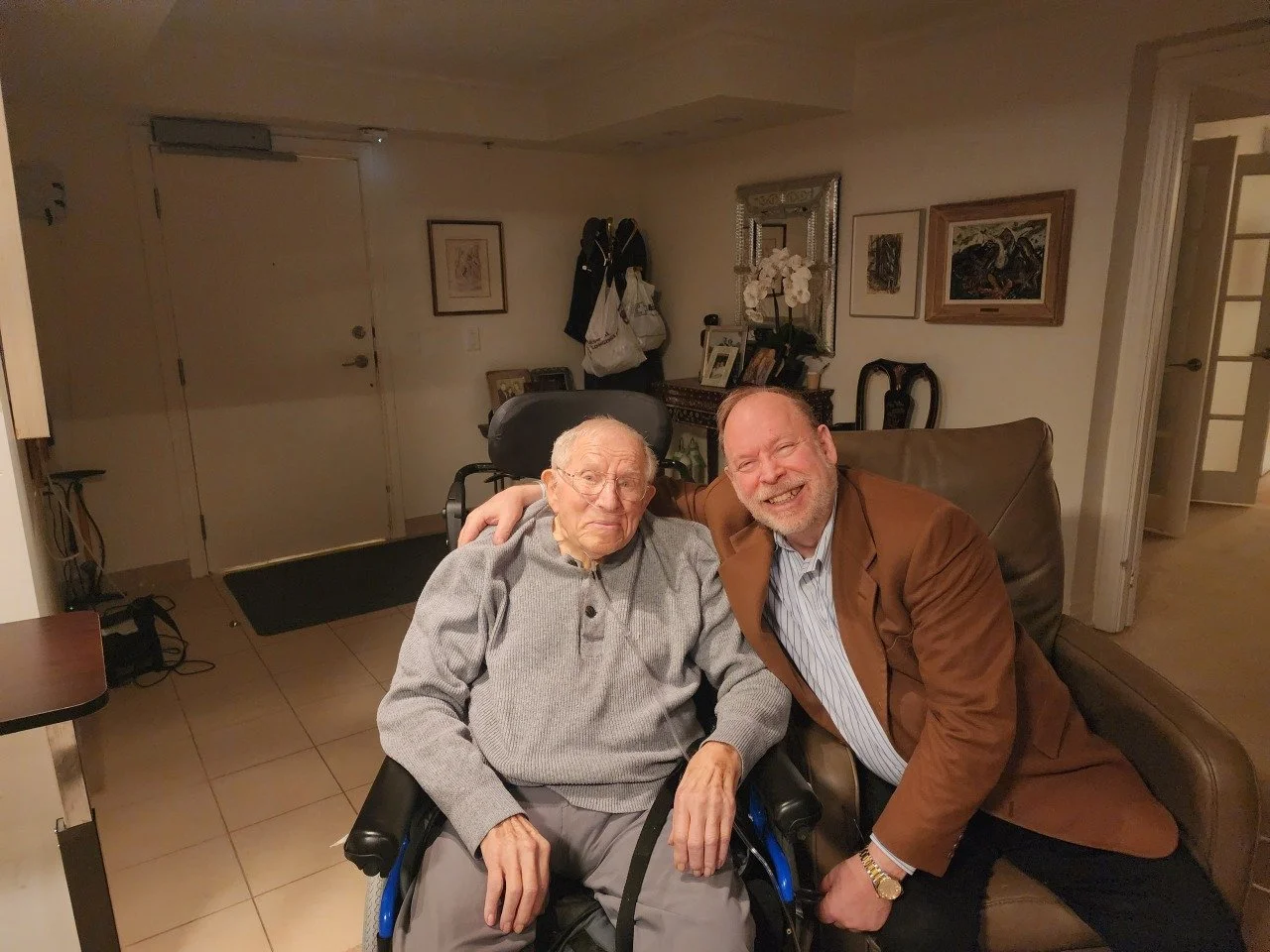
"We can put in one normal embryo and often get better results than the old practice of transferring two or three," he says. "That's real progress."
Genetics, Whole-Genome Embryo Testing & Reprobiogen
While much of the field focuses on aneuploidy screening, Dr. Librach is working at the next frontier: full genome evaluation of embryos.
His team developed and patented a technique that enables them to analyze the entire genome from as few as 4 embryonic cells.
"We're moving toward a future where we can identify single-gene disorders, multi-gene interactions, and potentially prevent devastating conditions," he explains.
This work led to the creation of Reprobiogen, a company that will offer advanced genomic services for embryos worldwide.
He stresses that while the science is powerful, ethical guardrails must remain firm.
"We need ethicists at the table. We must focus on health and quality of life, not cosmetic traits. That's a line we should not cross."
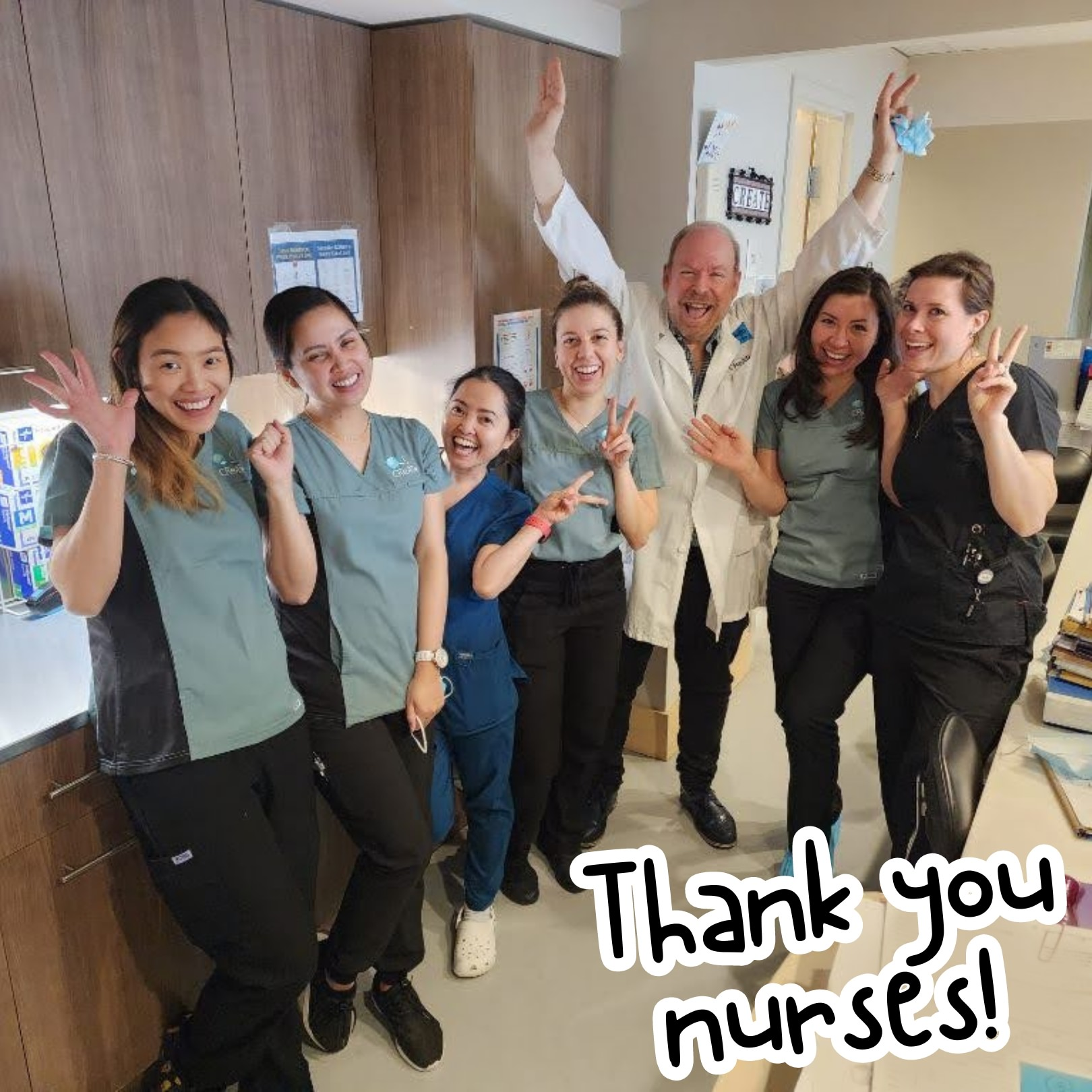
The Heart of His Practice: Human Connection
For all his scientific contributions, Dr. Librach repeatedly returns to the same core belief: patient experience matters just as much as clinical expertise.
"When you're with a patient, they have to feel like they're the only one in the world that matters at that moment," he says. "If they don't feel you care, why would they trust you?"
That philosophy shapes how he teaches students and fellows.
He urges them to treat each case as a puzzle that requires nuance, attention, and individualized care, not as an algorithm.
"Fertility involves two people coming together with different genetic, medical, and emotional backgrounds. You can't treat them as a formula. You have to pay attention."
Many patients come to him after unsuccessful cycles elsewhere. He reviews their past cycles line by line, identifying gaps, patterns, or missed opportunities.
This personalized analysis sometimes changes protocols, sometimes identifies overlooked uterine factors, and sometimes leads to procedures like intrauterine PRP.
CReATe has become a global leader in PRP research and application, discovering that its benefits extend beyond structure.
"Our team found that PRP changes gene expression related to receptivity," he says. "That's the level of detail that helps us know who might benefit."
Third-Party Reproduction: Ethics, Inclusion, and Options
Dr. Librach was an early and vocal advocate for studying the psychological and social dimensions of surrogacy, egg donation, and sperm donation. Today, CReATe runs one of the largest third-party programs in the world.
He remembers the early turning point vividly.
"When same-sex male couples started coming to me, I asked myself: should I be doing this? Then it was obvious, absolutely, yes. I was already helping women. Why wouldn't I help men, too?"
The program now includes:
Surrogacy services
Donor egg and donor sperm services
Support for same-sex couples, single parents, and trans patients
Packages like the "one-plus-one guarantee" for male couples
Psychosocial support for carriers and donors
In Canada, surrogacy and donation are altruistic, which shapes the culture of the program profoundly.
"For surrogates, it's one of the most meaningful things they've ever done," he says. "Their families are proud. They form communities. It's beautiful."
To expand access, programs like MyEggBank, one of North America's largest donor egg banks, offer extensive diversity, screening rigor, and financial guarantees. These partnerships support patients who need donor eggs but want choice, predictability, or faster timelines.
"We can't think of an egg donor as someone who 'just gives eggs,' or a surrogate as someone whose uterus we're 'using, these are whole people with rich lives," he says. "That's the center of our program."
“Too complex to turn into a formula”
Ask Dr. Librach where the field is heading, and he offers a balanced, clear-eyed perspective.
He believes genetics will continue to advance rapidly, but AI will progress more slowly than its evangelists predict.
"Biology is too complex to turn into a formula," he says. "If the data going into AI is flawed, the outputs are flawed. And fertility involves two unique individuals. You can't predict outcomes with a simple model."
What worries him more is the aggressive push of venture-capital-backed groups into the fertility landscape.
He has personally declined multiple offers to sell CReATe.
"Big companies are coming in who think fertility is plug-and-play," he says. "Hire a doctor, hire an embryologist, decorate the waiting room, and that's it. But what happens behind the walls, the lab, the culture, the ethics, that's what makes a clinic successful."
He hopes the future brings a renewed focus on clinics owned and run by people who genuinely care about the work, not investor returns.
"I'm almost hoping some of these VC groups fail," he says candidly. "Because patients deserve better than a corporate experiment."
The Surprising Side of Cliff Librach: Doctor or Director?
Despite his scientific career, Dr. Librach has an unexpected creative streak.
He is an avid collector of pop art, wine, Scotch, and watches, all passions he developed during his years in California.
"I spent all my fellows' salary at art auctions," he says, laughing. "I brought it all back to Canada. Keith Haring, Warhol, Lichtenstein, I love modern and pop art."
He owns two pieces from Keith Haring's fertility series, which hang in the CReATe clinic lobby.
"People are shocked when they learn what they're worth," he admits. "But I love the history behind them."
If he weren't a doctor, he says, he may have been a filmmaker. In seventh grade, he made a short film that was later archived as part of Toronto's history.
Instantly Expand Your Egg Donor Network—Without Expanding Your Overhead
What if your clinic could offer more donor choices, more confidence, and more patients saying yes - starting now?
Partnering with MyEggBank plugs your clinic into a trusted national ecosystem built to grow opportunity, not complexity.
As a MyEggBank Partner, You Can:
Instantly access a broader, diverse egg donor pool
Give intended parents more paths forward—faster
Offer donors a safe, ethical, proven donation experience
Elevate your clinic’s reputation through national alignment
Take Action Today - Once approved, your clinic gains immediate access to expanded donor options and national partnership support.
The advertiser does not have full editorial control over the content of this article. As a brought-to-you-by sponsor of IRH In Scope, the advertiser only has editorial control over what is mentioned about their company. Inside Reproductive Health maintains full editorial independence over the remainder of the article. The views and opinions expressed in this article do not necessarily represent the views of the Advertiser or of Inside Reproductive Health.
